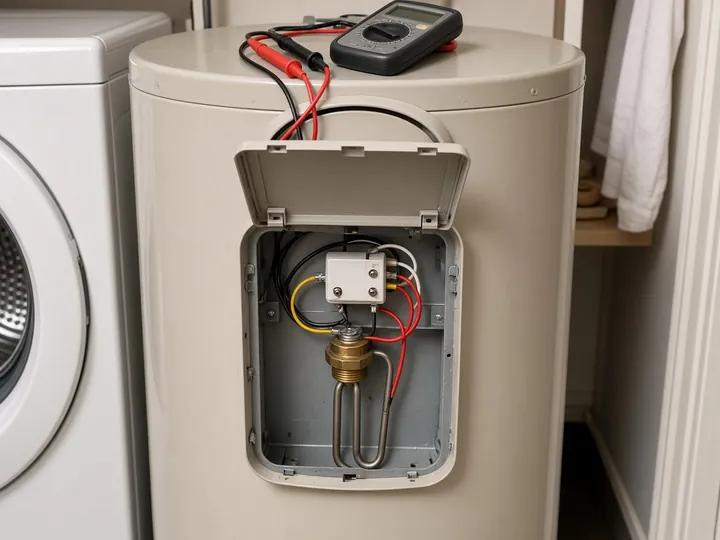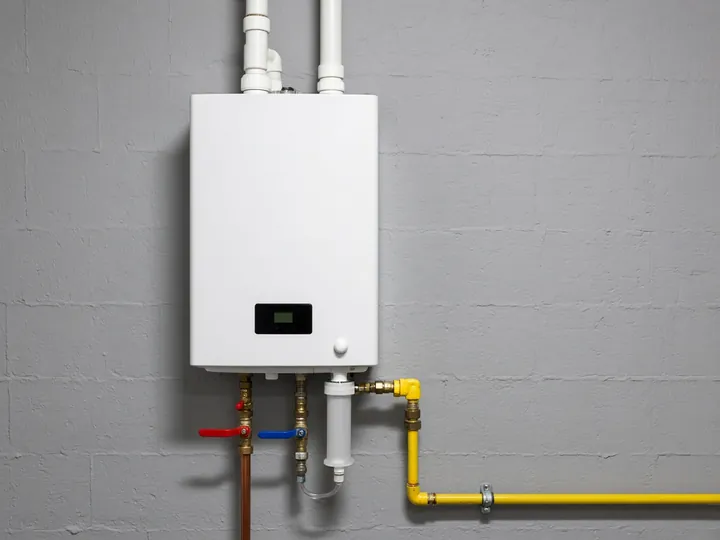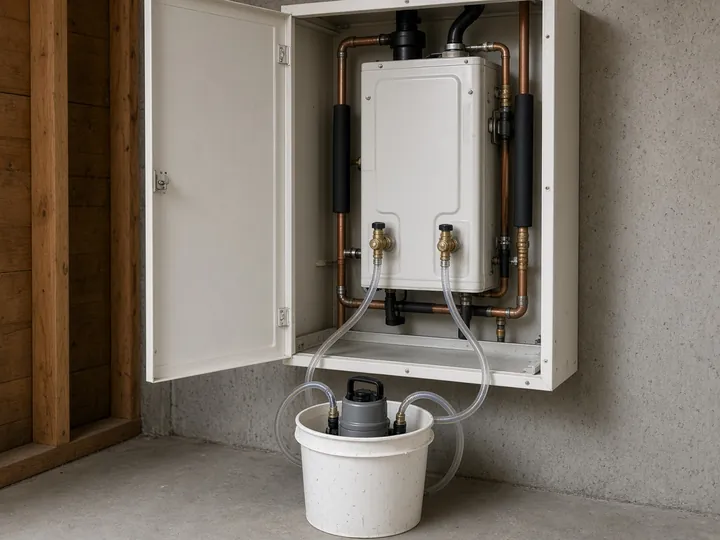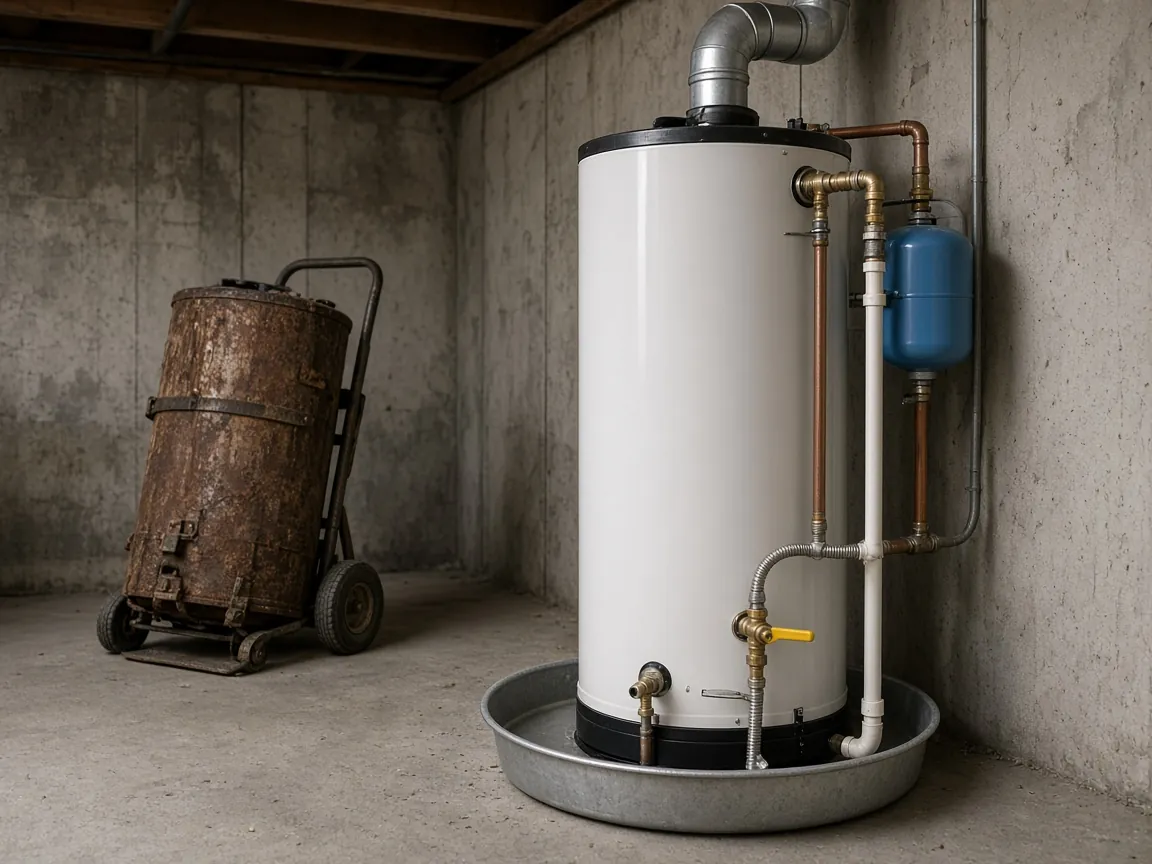
Water heater replacement in Chicago, IL is the answer when the tank is leaking, the heater is well past its service life, or a major part has failed on an older unit. In residential buildings up to four stories, the city does not require a building permit for an in-kind replacement, meaning the same type, size, and shape. A change in fuel, capacity, location, or venting turns the job into new work that goes through the city's Express Permit Program.
Signs it is time
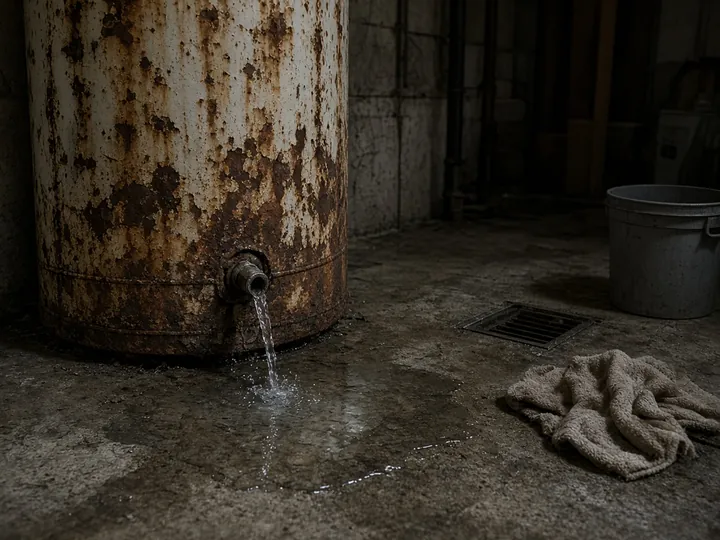
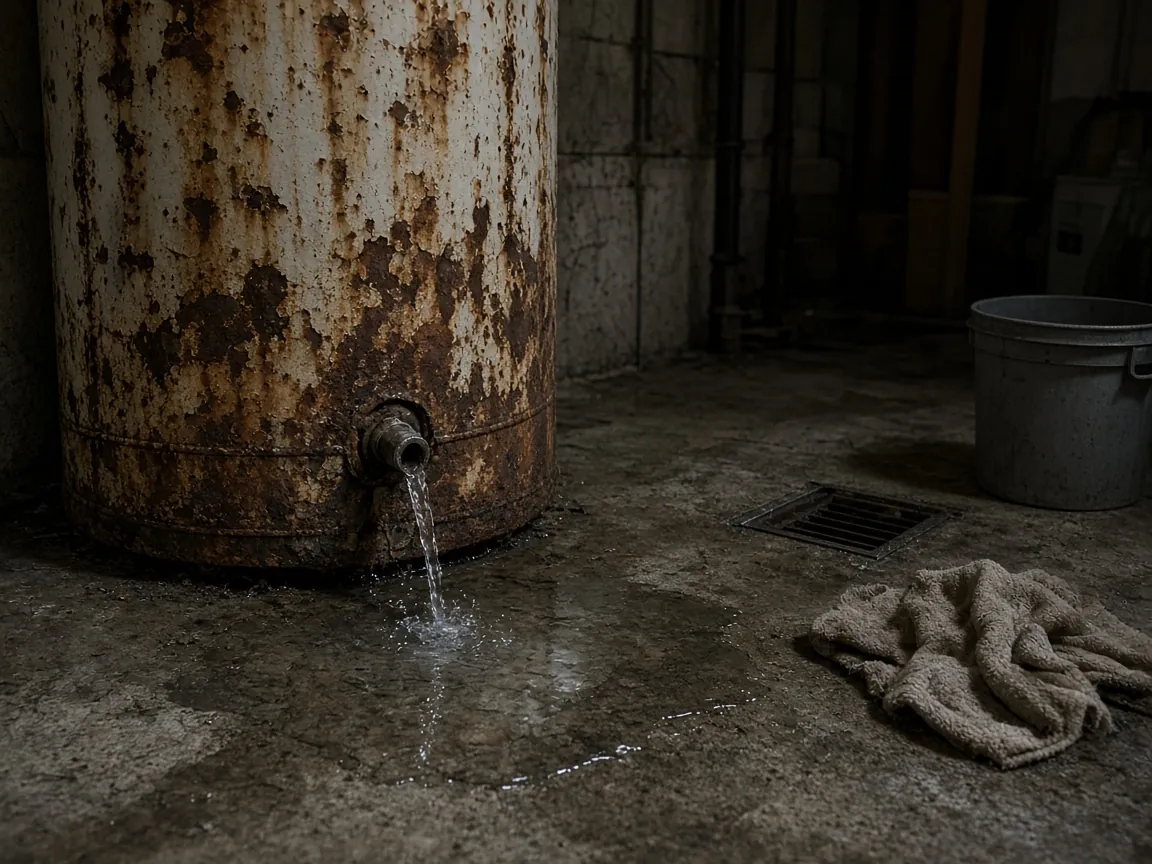
The clearest sign is water coming from the tank shell. Rust on the bottom ring, rusty hot water that does not clear, a burner compartment full of scale, or a tank older than about twelve years that has started to need repairs all point the same way. Replacing before the tank fails lets you choose the timing instead of finding a lake on the basement floor on a January morning.
In-kind replacement and the permit line
The Chicago Department of Buildings lists the in-kind repair or replacement of a hot water heater in residential buildings up to four stories as work that does not need a building permit. In-kind means the new heater matches the old one's type, size, and shape: a forty-gallon atmospheric gas tank replaced with a forty-gallon atmospheric gas tank, for example. The work still has to meet the Chicago Plumbing Code.
Moving from gas to electric, upsizing, switching to a power-vent or tankless unit, relocating the heater, or working in a building over four stories goes through the Express Permit Program for plumbing work. That application expects an existing-condition photo, an efficiency compliance form, and in most cases a licensed plumbing contractor. Our Chicago permit guide goes further.
Water heater acting up? Talk it through by phone.
Call 000 000 0000Sizing a replacement properly
Gallons are only half the story. The first-hour rating on the label tells you how much hot water the heater can deliver in a busy hour, and that is the number to compare. A household that runs out of hot water every winter morning probably needs a higher first-hour rating, not just the same tank again. Chicago's near-freezing winter inlet water makes this more important; see why hot water runs out faster in a Chicago winter.
The chimney question
Many Chicago basements vent a gas water heater into a masonry chimney shared with an old furnace or boiler. When the furnace has been replaced with a high-efficiency model that vents through the wall, the water heater may now be the only appliance in that chimney. A small heater cannot warm a large, cold flue, which leads to poor draft, condensation, and deteriorating masonry. A replacement is the right time to check whether the chimney needs a properly sized liner, or whether a power-vent heater makes more sense. Our orphaned chimney guide explains the issue.
What else should change with the tank
- Expansion tank. If the home has a pressure-reducing valve or a check valve at the meter, thermal expansion has nowhere to go. An expansion tank protects the new heater and stops relief valve drips.
- Gas connector and shutoff. Old connectors should be replaced, not reused, with a sediment trap where required.
- Relief valve discharge. The new valve's pipe must run down to near the floor or to a drain, uncapped.
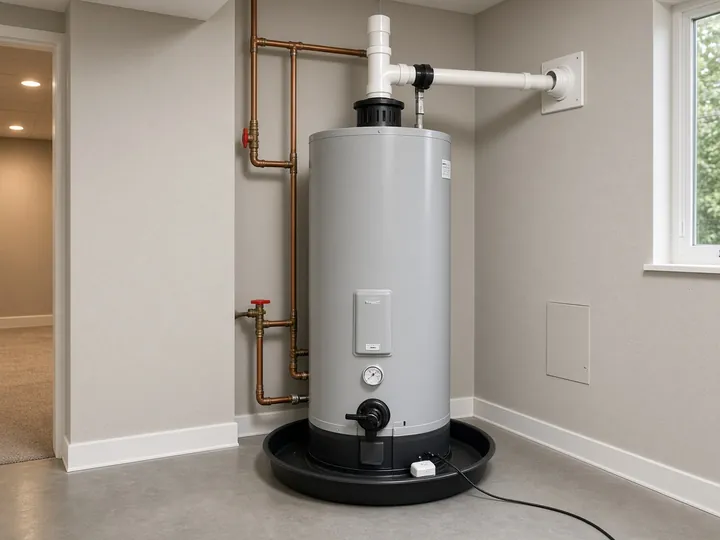
- Drain pan. Where the heater is near finished space, a pan with a drain or a leak sensor is cheap insurance.
Getting it down the stairs
Replacements in two-flats and greystones from Pilsen to Rogers Park often come down to logistics: narrow basement stairs, tight turns, and a forty- or fifty-gallon tank that does not bend. Measure the path before choosing a taller or wider model. Condo towers near Lincoln Park and along the lake add elevator reservations, building shutoff schedules, and association rules; see our condo replacement guide.
What a Chicago replacement should include
- Old tank drained, disconnected, and hauled out of the basement
- New heater sized from first-hour rating, not just gallons
- In-kind swap confirmed, or the Express Permit path used if type, size, or location changes
- Vent connector and chimney liner matched to the new burner input
- Relief valve discharge piped to within inches of the floor or drain
- Expansion tank added or recharged where a check valve or PRV closes the system
- Gas connector, sediment trap, and shutoff valve replaced, not reused
- Drain pan or leak sensor considered where the heater sits near finished space
Replacement prep list for Chicago
Before comparing replacement prices in Chicago, photograph the old rating plate and the vent where it meets the chimney or wall, measure the path down the basement stairs, and note the capacity and fuel. Write down whether you run out of hot water now. Ask every quote to list haul-away, expansion tank, gas connector, venting work, pan, and any permit as separate lines.
Water heater replacement in nearby suburbs
Each suburb page covers local housing, water, and permit notes for this service.
- Water heater replacement in Evanston
- Water heater replacement in Skokie
- Water heater replacement in Oak Park
- Water heater replacement in Cicero
- Water heater replacement in Berwyn
- Water heater replacement in Oak Lawn
- Water heater replacement in Park Ridge
- Water heater replacement in Des Plaines
Chicago at a glance
- Coverage: Chicago, Illinois and nearby suburbs, shown on the map at city level, not a business address.
- Places named on this site include Millennium Park, Lincoln Park, and the Lakefront Trail.
- Permits: the Chicago Department of Buildings lists which plumbing work needs no permit.
- Utilities: Peoples Gas inside the city and ComEd for electricity.
Related pages
For a heater that may still be fixable, read water heater repair. If you are considering a different type, start with water heater installation or tankless water heater installation. Suburb versions include water heater replacement in Berwyn and water heater replacement in Evanston.