Electric water heater repair in Chicago, IL usually comes down to one of four parts: the upper element, the lower element, one of the two thermostats, or the high-limit reset that trips when something overheats. These are inexpensive parts, which is why electric tanks are often worth repairing. The exceptions are a tank that is leaking from its shell or one that keeps tripping the reset for reasons nobody has found.
Where electric tanks live in Chicago
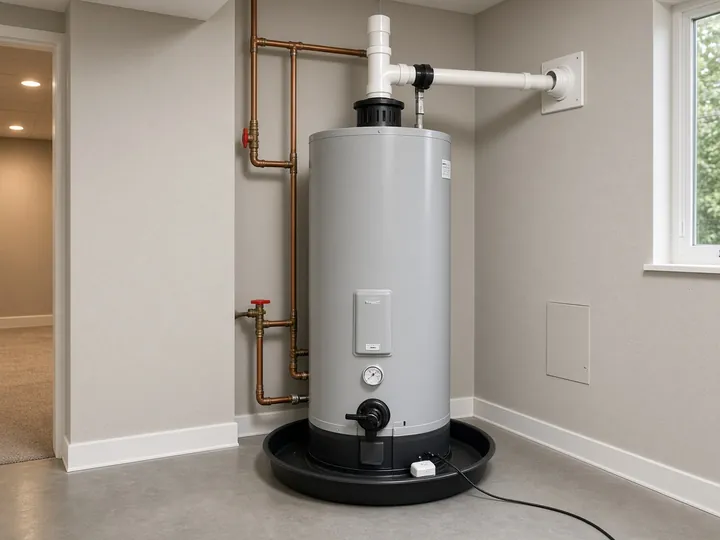
Electric water heaters are the standard in many of the city's high-rise and mid-rise condos, from the towers near Millennium Park to the lakefront buildings along the Lakefront Trail, because running gas and vents to each unit is impractical. They also show up in converted lofts, some newer townhomes, and garden units in two-flats where a separate gas line was not run. Most sit in a closet near the kitchen or laundry, on a pan, sometimes with very little clearance.
How an electric tank heats
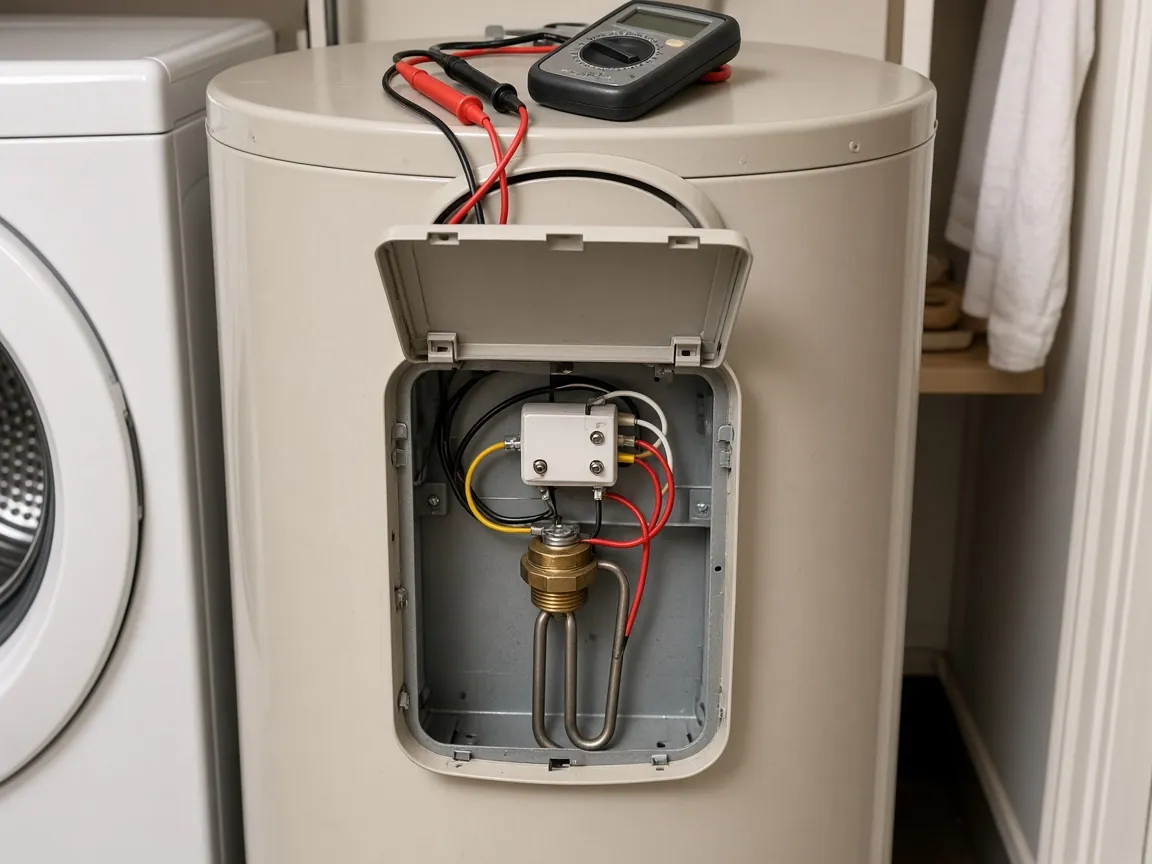
A typical residential electric tank has two heating elements, upper and lower, each with its own thermostat. They do not usually run at the same time. The upper element heats the top of the tank first, then hands off to the lower element, which does most of the work. A high-limit switch, usually with a red reset button above the upper thermostat, cuts power if the water gets too hot.
That design explains the symptoms:
- No hot water at all. The breaker is off, the high-limit has tripped, or the upper element or thermostat has failed, so the lower element never gets its turn.
- A little hot water, then cold. The lower element or lower thermostat has failed. The upper element heats only the top portion of the tank.
- Water too hot. A thermostat is stuck closed, which is also why the high-limit trips.
- Breaker trips. An element has shorted, or wiring at the terminals has overheated.
Water heater acting up? Talk it through by phone.
Call 000 000 0000Safe diagnosis
Electric water heaters run on 240 volts. Before any panel comes off, the breaker must be off and the absence of voltage confirmed with a tester. Elements are tested for resistance and for any short to the tank. Thermostats are checked for continuity at different settings. Terminal screws and wire ends are inspected for heat damage, which is common on tanks that have run for years with loose connections.
If the reset has tripped once, pressing it may restore hot water. If it trips again, something is causing the overheat, and repeated resets just hide the problem.
Replacing an element
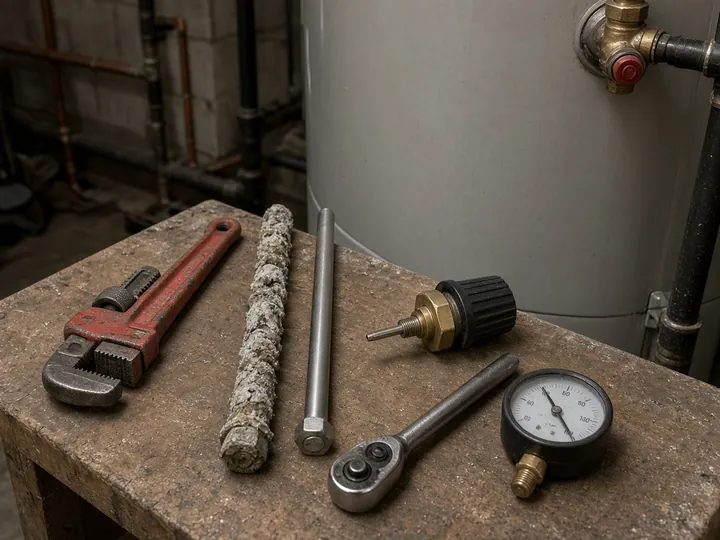
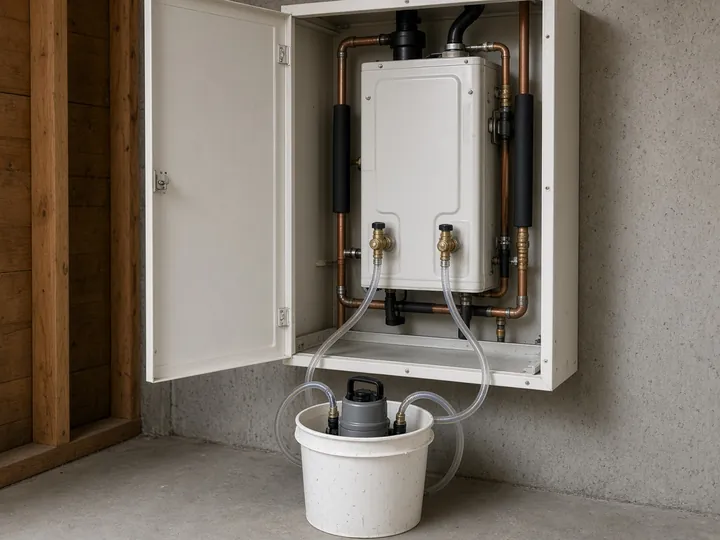
Replacing an element requires draining the tank at least below the element, removing the old one with an element wrench, and installing a new one with a fresh gasket. The tank must be completely refilled before power is restored. An element that fires in air burns out in seconds, which is the most common mistake in do-it-yourself element swaps. Sediment from Lake Michigan water can bury the lower element in older tanks; our flushing guide covers that.
Condo and building rules
Many Chicago condo associations have rules about who may work on plumbing, when water risers can be shut off, and what pan and leak protection is required. Some buildings require insurance certificates from anyone doing the work. Check before scheduling. If the heater needs replacing, the city's in-kind exemption from a building permit applies only to residential buildings up to four stories; taller buildings fall outside it. Our condo guide explains more.
Repair versus heat pump upgrade
When an older electric tank fails, a heat pump water heater can cut the energy used for water heating substantially, and ENERGY STAR lists qualifying models. They need more space, air volume, and a condensate drain, so they suit some closets and not others. In a tight high-rise closet, a standard electric tank is often still the only practical choice.
What an electric diagnosis in Chicago should cover
- Double-pole breaker and any local disconnect checked
- Power verified off with a tester before access panels come off
- Upper and lower elements tested for resistance and shorts to the tank
- Thermostats and the high-limit reset checked against setpoint
- Wire terminals inspected for heat damage and loose screws
- Dip tube and sediment ruled in or out for short hot water
- Element gaskets and access panels resealed and insulation replaced
Electric repair call prep for Chicago
Before an electric repair call in Chicago, note the tank size and element wattage from the label, whether the breaker has tripped more than once, and whether the problem is no hot water or hot water that runs out fast. Do not open the panels yourself unless you can verify the power is off.
Electric water heater repair in nearby suburbs
Each suburb page covers local housing, water, and permit notes for this service.
- Electric water heater repair in Evanston
- Electric water heater repair in Skokie
- Electric water heater repair in Oak Park
- Electric water heater repair in Cicero
- Electric water heater repair in Berwyn
- Electric water heater repair in Oak Lawn
- Electric water heater repair in Park Ridge
- Electric water heater repair in Des Plaines
Chicago at a glance
- Coverage: Chicago, Illinois and nearby suburbs, shown on the map at city level, not a business address.
- Places named on this site include Millennium Park, Lincoln Park, and the Lakefront Trail.
- Permits: the Chicago Department of Buildings lists which plumbing work needs no permit.
- Utilities: Peoples Gas inside the city and ComEd for electricity.
Related pages
Gas tanks are covered on gas water heater repair, and leaks on emergency water heater repair. Suburb versions include electric water heater repair in Skokie and electric water heater repair in Oak Lawn. For a full replacement, see water heater replacement.