Water heater installation in Chicago, IL covers any job that is more than a straight swap: putting a heater in a new spot, changing from gas to electric or the reverse, moving to a power-vent or direct-vent model, or adding a second heater for a finished basement or a converted two-flat. Because the type, size, or location changes, it is not an in-kind replacement, and in Chicago the plumbing permit goes through the Express Permit Program.
When a new installation makes sense
The usual triggers in Chicago homes are practical. A basement remodel in a Logan Square two-flat wants the heater out of the way. A high-efficiency furnace has left the water heater alone in a cold masonry chimney. A family has grown and the old forty-gallon tank cannot keep up on winter mornings. A deconverted greystone needs one bigger system instead of two small ones. Each of these is a design decision, not just a purchase.
Choosing the venting method
Venting decides more about an installation than the brand does.
- Atmospheric (natural draft). The cheapest tank, venting by natural draft into a chimney or B-vent. It needs a properly sized, warm flue. In old Chicago chimneys that often means a liner.
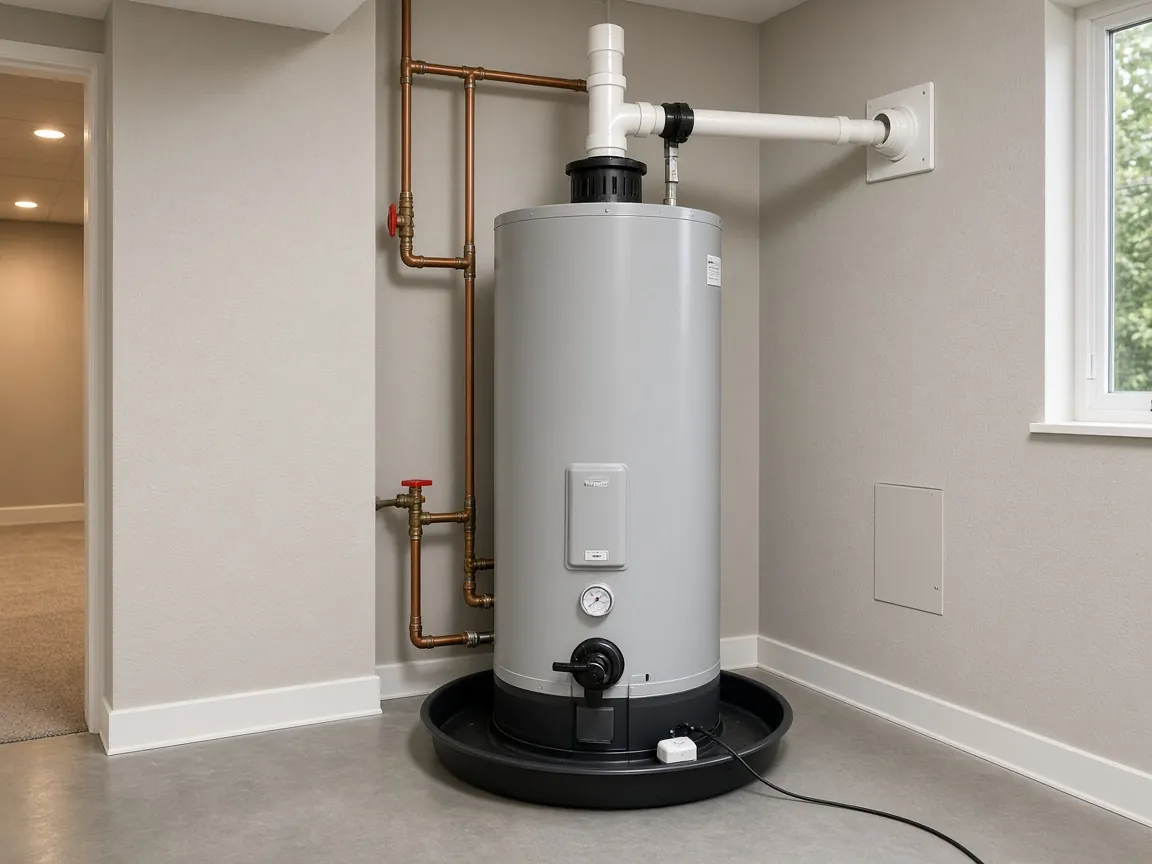
- Power vent. A fan pushes exhaust through plastic pipe out a side wall. It frees the heater from the chimney but needs an outlet, a wall location that meets clearance rules, and a plan for snow at the termination.
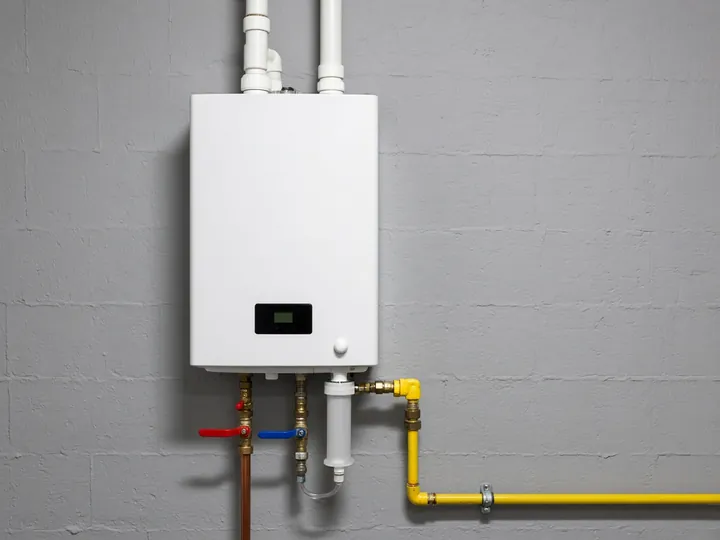
- Direct vent. Draws combustion air from outside and vents outside through a sealed system. Good for tight basements and finished spaces.
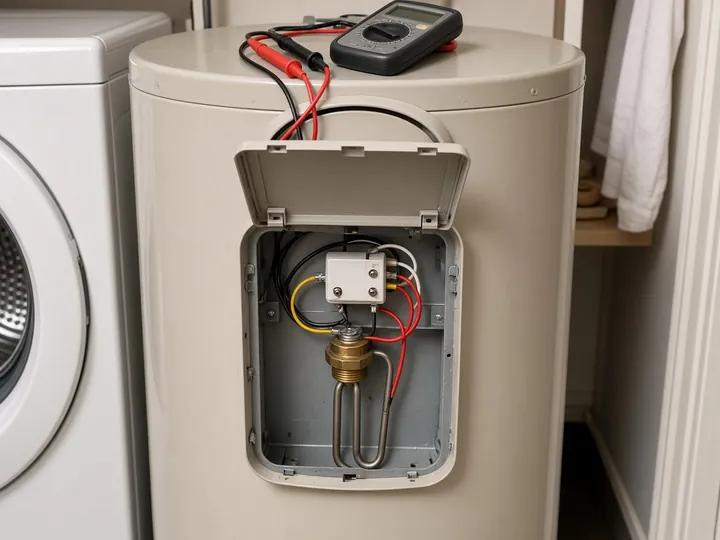
- Electric or heat pump. No combustion venting. A standard electric tank needs a dedicated circuit; a heat pump tank also needs space, air volume, and a condensate drain, and it cools the room it sits in.
Our orphaned chimney guide explains why so many Chicago installs end up moving away from the chimney.
Water heater acting up? Talk it through by phone.
Call 000 000 0000Gas supply and electrical capacity
A bigger gas heater, or a gas heater added to a home that already runs a furnace, range, and dryer, may exceed what the existing gas pipe can carry. Pipe sizing is based on the total load and the length of the run from the meter. On the electric side, an older service panel may not have room for a dedicated 240-volt circuit. Both are worth checking before choosing a model.
Location, clearance, and drainage
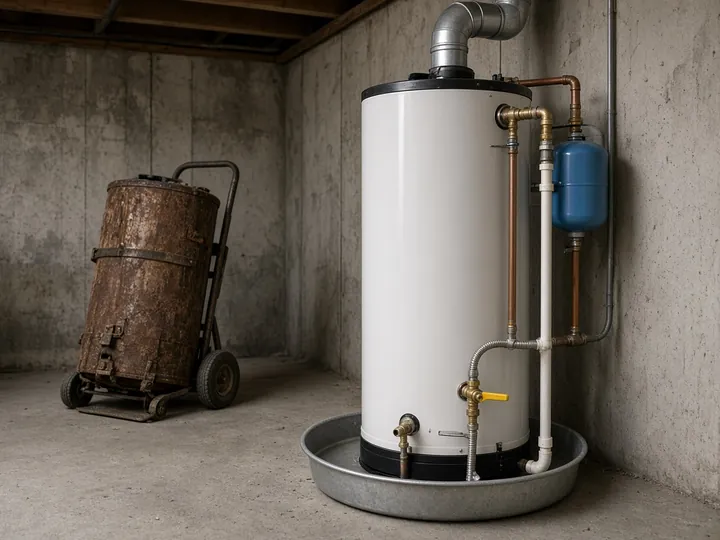
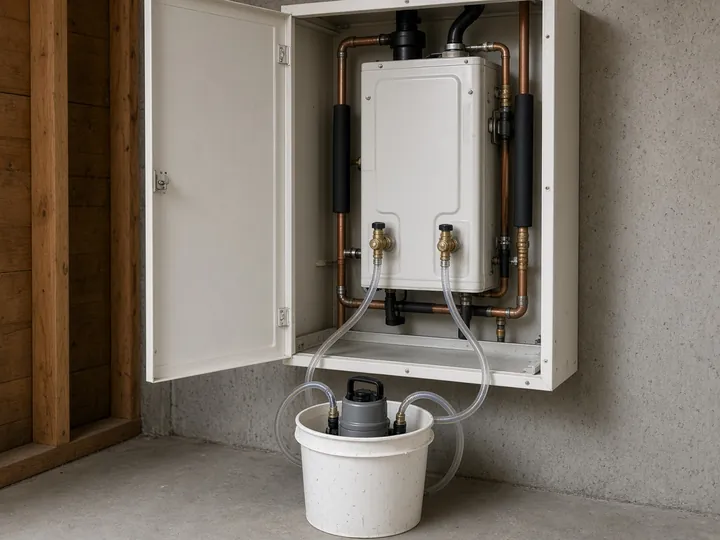
A good location has service clearance on the front, a floor drain or a place to run a pan drain, combustion air for gas units, and a short path for venting. Chicago basements usually have a floor drain, but in finished basements it may be under carpet or in the wrong room. Where water would damage finished space, a drain pan and leak sensor, or an automatic shutoff valve, are reasonable additions.
The permit path
The Express Permit Program for plumbing work covers repair and replacement of existing hot water heaters and many related plumbing items, while larger alterations may need a different permit type. Applications ask for an existing-condition photo and an energy and water efficiency compliance form, and they typically name a licensed plumbing contractor. Suburbs run their own building departments. Statewide, plumbing licensing and code are handled by the Illinois Department of Public Health.
Efficiency and rebates
Federal efficiency standards set minimums for new water heaters, and ENERGY STAR lists qualifying models, including heat pump water heaters. Utilities sometimes run rebate programs; check ComEd or your gas utility's current offers before buying. Do not assume a rebate exists until you see it on the utility's own page.
Where installations happen in the city
New installs show up everywhere, but the patterns differ. Vintage courtyard buildings near Lincoln Park tend to have tight mechanical rooms and shared systems. Bungalows on the Northwest Side and near Wrigley Field often have room in the basement but a tired chimney. Newer townhomes may already have power-vent equipment and simply need the right replacement.
What a new installation in Chicago should cover
- Location chosen for combustion air, service clearance, and a nearby drain
- Gas pipe size checked against total appliance load
- Venting method chosen: chimney, B-vent, power vent, or direct vent
- Electrical circuit or outlet provided for power-vent or electric models
- Permit and inspection path confirmed with the local building department
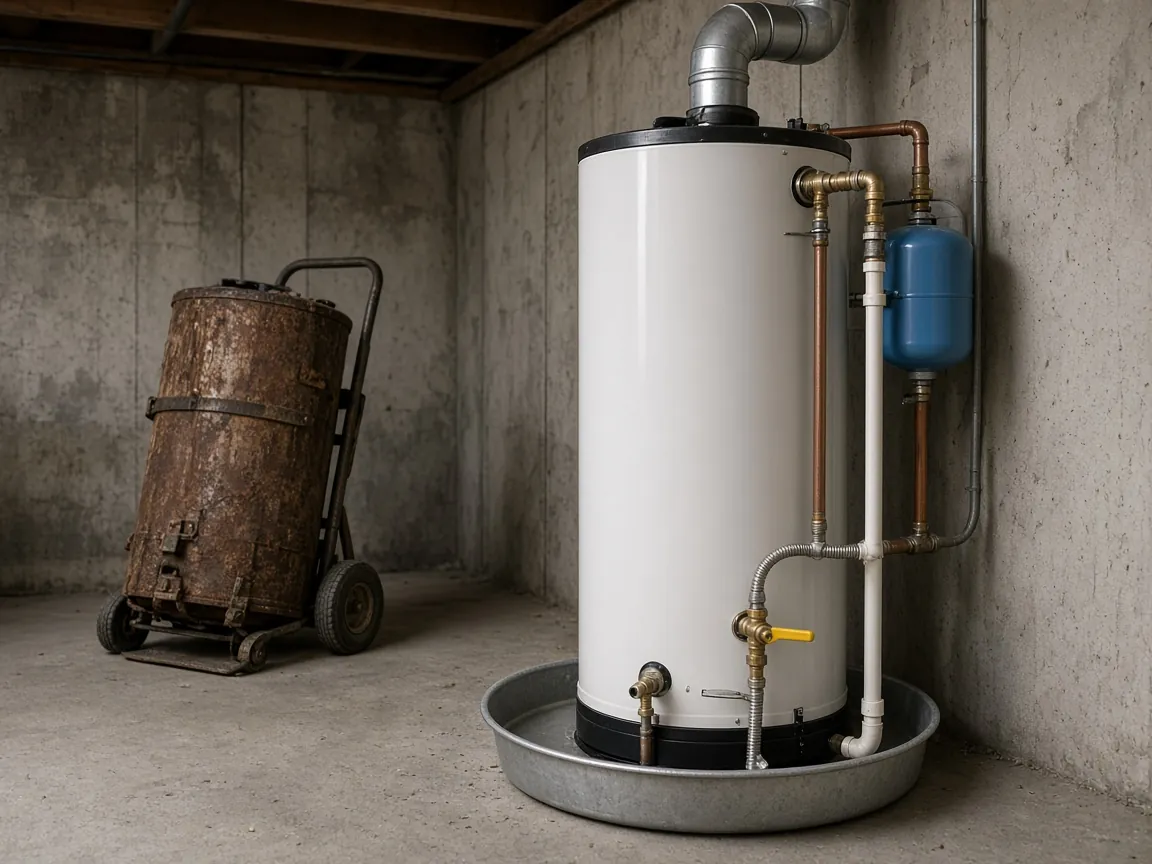
- Expansion tank, relief discharge, and shutoff valves installed
- Pan, drain line, and leak protection planned for finished basements
Installation planning notes for Chicago
Before planning a new installation in Chicago, sketch where the heater will go, the route to the gas meter or panel, the nearest floor drain, and the outside wall where a vent could exit. Count bathrooms and big hot-water users. Ask whether the job changes type, size, or location, because that decides whether a permit is needed.
Water heater installation in nearby suburbs
Each suburb page covers local housing, water, and permit notes for this service.
- Water heater installation in Evanston
- Water heater installation in Skokie
- Water heater installation in Oak Park
- Water heater installation in Cicero
- Water heater installation in Berwyn
- Water heater installation in Oak Lawn
- Water heater installation in Park Ridge
- Water heater installation in Des Plaines
Chicago at a glance
- Coverage: Chicago, Illinois and nearby suburbs, shown on the map at city level, not a business address.
- Places named on this site include Millennium Park, Lincoln Park, and the Lakefront Trail.
- Permits: the Chicago Department of Buildings lists which plumbing work needs no permit.
- Utilities: Peoples Gas inside the city and ComEd for electricity.
Related pages
If the old heater simply failed and you want the same thing back, see water heater replacement. For a tankless system, read tankless water heater installation and our tankless vs tank comparison. Suburb pages include water heater installation in Park Ridge and water heater installation in Oak Lawn.