Water heater installation in Des Plaines, IL often comes with remodeling a lower level, moving the heater out of a garage, or switching to power-vent, heat pump, or tankless. Plan the location, vent, gas or power, drainage, and the City of Des Plaines permit. In flood-prone areas, choose a location that keeps controls above likely water levels.
Relocating out of the garage
Moving a heater from a cold garage into conditioned space improves efficiency and pilot reliability. It requires new gas, water, vent, and drain routing.
Power-vent and heat pump
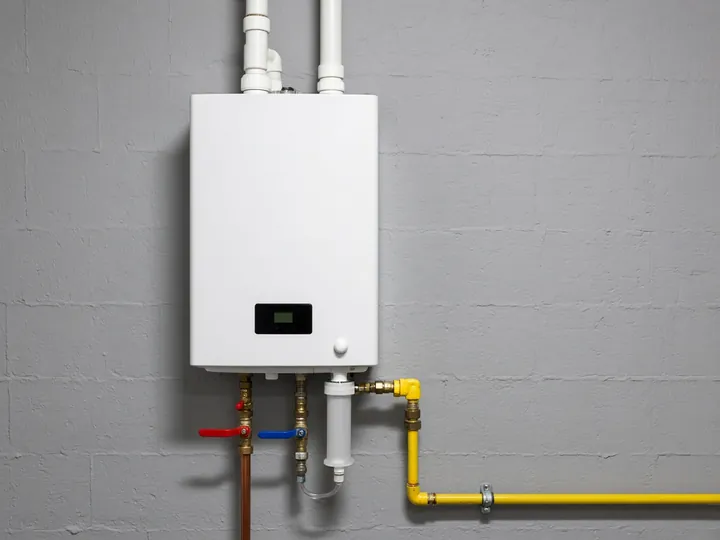
Power-vent units vent through a wall. Heat pump units need space, air, a 240-volt circuit, and a condensate drain. ENERGY STAR lists qualified models.
Water heater acting up? Talk it through by phone.
Call 000 000 0000Flood planning
Near the river, mount or elevate equipment above typical flood levels and add leak protection.
Permits
Contact the City of Des Plaines early.
Local connection
Remodels near Lake Park and close to the Des Plaines River Trail often start with deciding where the water heater should live.
Moving a heater out of the garage, step by step
Relocating a heater from a garage into the basement of a Des Plaines ranch usually involves extending the gas line, running new hot and cold lines, choosing a vent path, providing a relief valve drain, and patching where the old connections were. If the house has a chimney the furnace still uses, an atmospheric heater may share it, but the combined vent must be sized correctly. Otherwise, a power-vent unit avoids the chimney entirely.
Split-level specifics
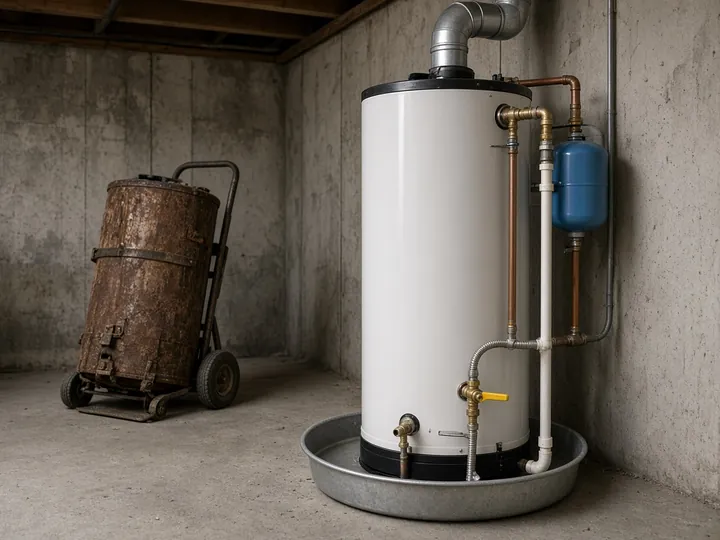
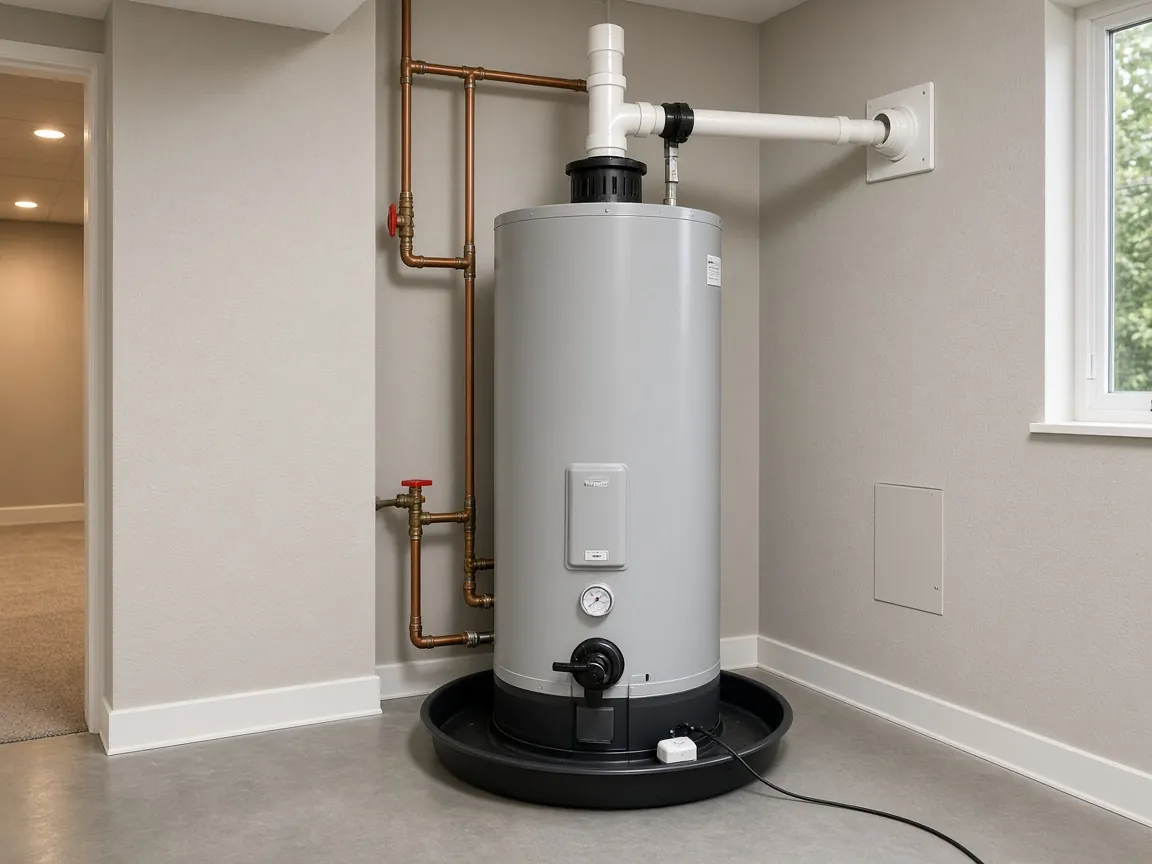
In split-levels, the lower level is often partly below grade, and the heater may sit near the laundry. Finished family rooms nearby mean leak protection is essential. A pan with a drain line, a leak alarm, and an automatic shutoff valve together give strong protection.
Fuel choices
Most Des Plaines homes have Nicor Gas service, so gas tanks or tankless units are common. Electric or heat pump units make sense where gas is not convenient or where owners are electrifying. Heat pump units need about the volume of a medium room or ducting.
Expansion and pressure
New installations should include an expansion tank if the water system is closed by a check valve or pressure-reducing valve. Measure static pressure; if it is high, a pressure-reducing valve protects the heater and fixtures.
Planning sequence
- Decide the fuel and type.
- Choose the location.
- Map vent, gas, water, and drain routes.
- Confirm the permit.
- Schedule installation and inspection before finishes close walls.
Documentation
Keep the manual, warranty card, and permit together. Write the install date on the unit.
Common mistakes to avoid
Skipping the expansion tank, undersizing the gas line, venting too close to a window, forgetting a drain for the relief valve, and closing walls before inspection are the most common problems we see in new installations. Each one is easy to avoid with a plan.
Thinking about the future
Leave space and access for the next replacement. Water heaters do not last forever, and the next one will be easier to install if the path is clear.
A final word on access
Install the heater where the drain valve, gas control, and relief valve can be reached without moving furniture. Future flushes depend on it.
Living with a water heater in Des Plaines
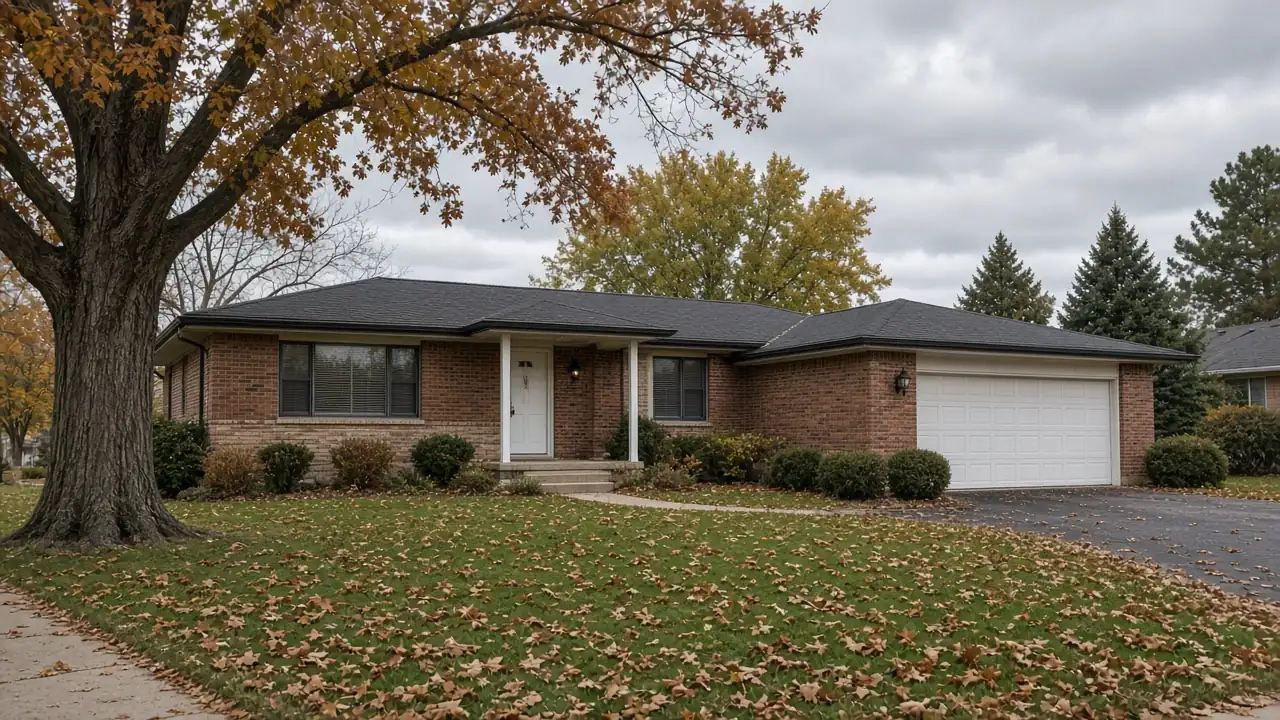
Des Plaines sits along the Des Plaines River northwest of Chicago, just north of O'Hare, and it receives Lake Michigan water through the regional system. The river shapes the city: some neighborhoods near it have dealt with serious flooding in past decades, and many homes have sump pumps, overhead sewers, or raised mechanical equipment as a result. Housing is mostly postwar, including brick and frame ranches, raised ranches, split-levels, and Cape Cods, plus older homes near downtown and Metropolitan Square, and townhomes and condos near the Cumberland and downtown Metra stations. Water heaters live in basements, lower levels of raised ranches, and garage corners. Where homes have finished lower levels, a tank leak or a flooded burner compartment is a bigger deal. Downtown Des Plaines, Cumberland, the Golf Road and Oakton Street corridors, and the riverside neighborhoods each have a different mix of building age and mechanical layout.
What a new installation in Des Plaines should cover
- Location chosen for combustion air, service clearance, and a nearby drain
- Gas pipe size checked against total appliance load
- Venting method chosen: chimney, B-vent, power vent, or direct vent
- Electrical circuit or outlet provided for power-vent or electric models
- Permit and inspection path confirmed with the local building department
- Expansion tank, relief discharge, and shutoff valves installed
- Pan, drain line, and leak protection planned for finished basements
Installation planning notes for Des Plaines
Before planning a new installation in Des Plaines, sketch where the heater will go, the route to the gas meter or panel, the nearest floor drain, and the outside wall where a vent could exit. Count bathrooms and big hot-water users. Ask whether the job changes type, size, or location, because that decides whether a permit is needed.
Des Plaines water heater installation at a glance
- Where: water heater installation for homes in Des Plaines, Illinois, about 30–40 minutes northwest of the Loop.
- Des Plaines places this water heater installation page mentions: Lake Park and Lake Opeka and Des Plaines River Trail.
- Des Plaines permits for water heater installation: ask the City of Des Plaines building department.
- Illinois code behind water heater installation: IDPH plumbing program.
- Des Plaines utilities for water heater installation: Nicor Gas gas and ComEd power at most addresses.
- Next town over for water heater installation: Water heater installation in Park Ridge.
Related
For a straight swap, see water heater replacement in Des Plaines. For wall-hung units, see tankless water heater installation in Des Plaines. For electric work, see electric water heater repair in Des Plaines. The metro page is water heater installation in Chicago, and water heater installation in Park Ridge covers the city east.