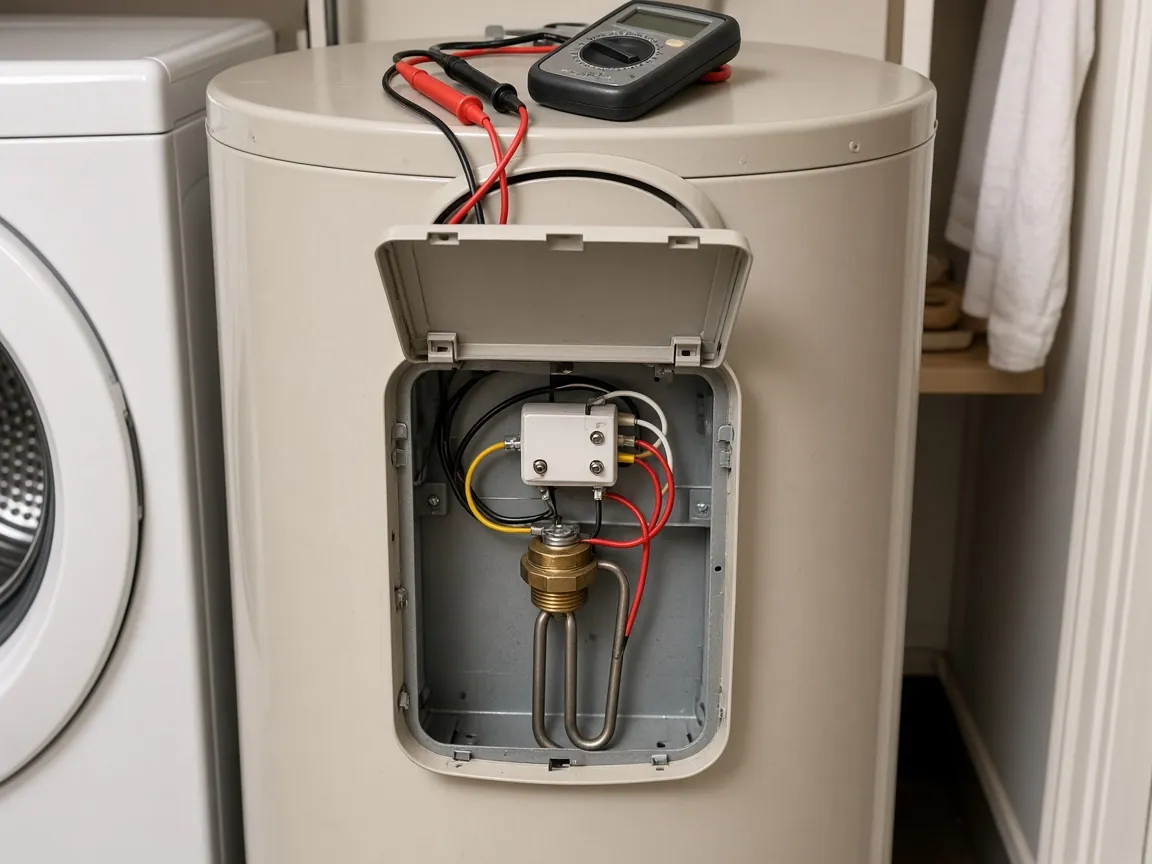
Replacing a water heater in a Chicago condo involves more than the heater. Check the association's rules first, since many require approved contractors, insurance certificates, and scheduling. In Chicago, an in-kind replacement in a residential building up to four stories does not need a building permit, but taller buildings and type changes are different, and the Express Permit Program requires an association approval letter for condo work. Protect the unit below with a drain pan and leak sensor.
Association rules come first
Condo declarations and rules often specify who may work in the building, what insurance they need, and when work may happen. Some require replacement after a set age to protect other units. Ask the property manager before scheduling.
Permits
The Chicago Department of Buildings permit-exempt list covers in-kind water heater replacement in residential buildings up to four stories. Many Chicago condo buildings are taller. For permits through the Express Permit Program, condo work requires a signed association approval letter. See our permit guide.
Water heater acting up? Talk it through by phone.
Call 000 000 0000Electric tanks in closets
Many condos use electric tanks in hall closets. Access is tight. Measure the closet and door. Heat pump models need more air than a closet may provide.
Protecting neighbors
- Install a drain pan with a line to a drain, if possible.
- Add a leak sensor or automatic shutoff.
- Know where your unit's shutoff is.
Gas units
Some condos, especially in vintage courtyard buildings and greystones, have gas heaters venting into shared chimneys. Venting changes need care and often association approval.
Services
See electric water heater repair in Chicago and water heater replacement in Chicago.
Local note
High-rise condos near Navy Pier and vintage courtyard buildings near Lincoln Park have very different rules and equipment. Start with your association.
Planning the swap
Condo water heater replacement usually takes careful scheduling. The building's freight elevator may need reserving, and work hours may be limited. The old tank has to come out through common hallways, so hallway protection may be required. In a high-rise, water to your unit may be controlled by a riser valve that only building staff can operate. Ask how long the water will be off and whether other units are affected.
Choosing equipment
Measure the closet's width, depth, and height, and the door opening. Many condo closets are designed around a specific tank size. A taller or wider tank may not fit. For electric units, confirm the breaker and wire size match the new heater. For gas units, confirm the venting system and whether the building has a common vent.
Heat pump water heaters in condos
Heat pump water heaters can cut electricity use, but they need air. A closet may need louvered doors or ducting, and the unit needs a condensate drain. Some associations restrict them because of noise or space concerns. ENERGY STAR lists qualified models.
Insurance and liability
If your water heater leaks into the unit below, your insurance and the association's master policy both may come into play. Many associations require owners to carry coverage for damage to other units. Replacing an old heater before it fails is often cheaper than dealing with a claim.
After installation
Keep the invoice, the model and serial number, and any permit with your unit records. Some associations ask for a copy.
Shutoffs in your unit
Find your unit's shutoff valves before you need them. Many condos have valves in the water heater closet, under sinks, or behind an access panel. In some buildings the only shutoff for your unit is on a riser in a common area, operated by building staff. Knowing which kind you have makes a leak much easier to handle quickly.
Older buildings
Vintage Chicago courtyard buildings and greystones converted to condos often have mixed systems. Some units have their own heaters and others share a central boiler. Ask the association how hot water is supplied before planning work.